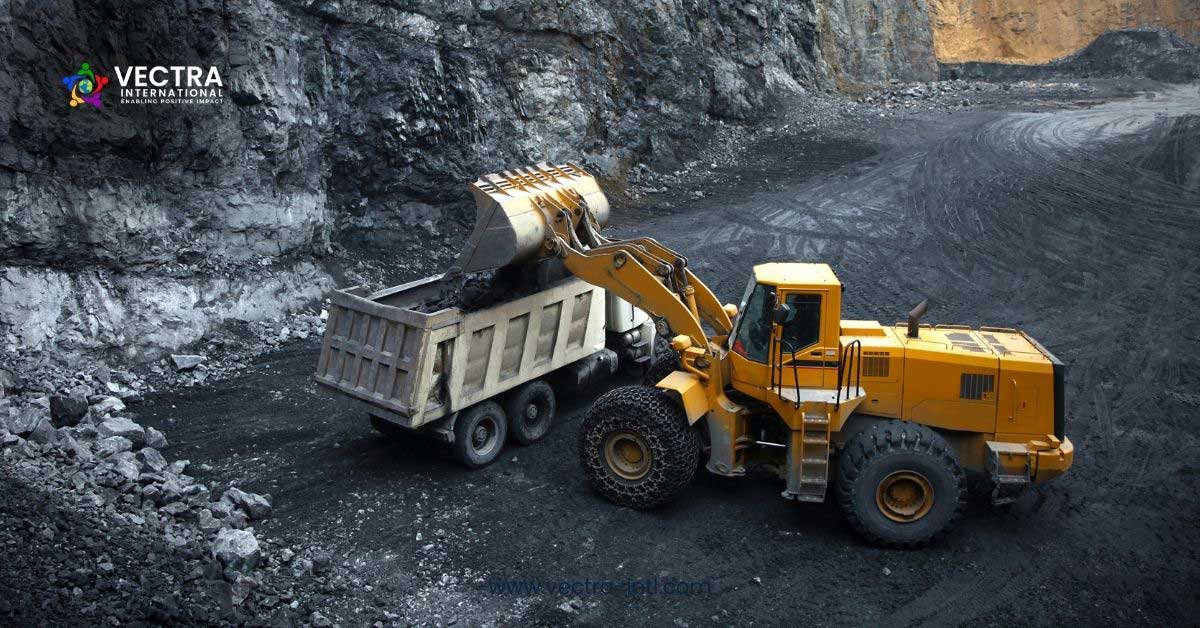
Mining sits at the foundation of modern life. Every smartphone, electric vehicle, data center, solar panel, building structure, and infrastructure project relies on metals and minerals extracted from the earth. As demand rises, especially with the global shift to clean energy technologies, the pressure on mining operations increases too.
Unfortunately, mining has a history that includes environmental harm, unsafe working conditions, and disruption of local communities. Many organizations have tried to address these issues, but voluntary promises and partial improvements often fall short.
That is where IRMA comes in. The Initiative for Responsible Mining Assurance (IRMA) has created a robust, independent certification system designed to push the mining industry toward better performance on environmental responsibility, community protection, and human rights. It provides a transparent, credible way for businesses to prove that the minerals they use come from mining sites that follow responsible practices.
This article breaks down what IRMA is, how its certification system works, and why it has become one of the most important tools for building ethical global supply chains.
What is IRMA and Why Does It Matter?
IRMA is an international multi stakeholder organization dedicated to improving mining practices. It brings together mining companies, labor unions, community groups, environmental organizations, downstream purchasers of minerals, and investors. The structure allows every stakeholder group to contribute equally during decision making.
This unique governance approach helps ensure that the standard reflects not only the technical aspects of mining, but also the needs and rights of people and nature surrounding mine sites.
Instead of focusing on only a few areas, IRMA aims to define what responsible mining should look like in a complete and measurable way. Its Standard for Responsible Mining includes more than 400 auditable requirements that cover everything from safety and pollution control to social impacts and long term reclamation planning.
As a result, IRMA has become one of the most comprehensive frameworks available for evaluating a mine’s real world performance rather than relying on broad corporate claims.
What the IRMA Standard Covers
IRMA’s requirements are organized into four major pillars. Each one represents a critical dimension of a responsible mining operation.
1. Business Integrity
This pillar includes legal compliance, anti corruption measures, and transparent payments to governments. It also focuses on human rights protections, stakeholder engagement, and fair community grievance processes. The intent is to ensure that the mine operates ethically and builds trust with the surrounding region.
2. Planning for Positive Legacies
Mining can have long term effects on land, water, and community welfare. This pillar requires thorough environmental and social impact assessments, effective emergency preparedness, and planning for mine closure before extraction even begins. Communities are expected to benefit through shared development opportunities rather than being left with damage after mining stops.
3. Social Responsibility
Worker safety, fair labor conditions, and respect for cultural heritage are central here. IRMA encourages mining operations to protect community health, honor Indigenous rights, and contribute to local development instead of harming or displacing people. Operations located in conflict or high risk areas must apply additional safeguards that prevent exploitation.
4. Environmental Responsibility
This includes air quality, biodiversity preservation, greenhouse gas emissions, tailings and waste management, and water protection. The aim is to limit environmental harm throughout the life of the mine and ensure restoration wherever extraction has occurred.
Because the standard covers the full spectrum of mining impacts, IRMA is widely recognized as more rigorous than other mining certifications that may focus on only one or two topics.
IRMA Certification Explained
IRMA does not offer an all or nothing label. Instead, certification comes in stages based on the percentage of requirements a site meets. Mines are audited by independent accredited organizations. The assessment process includes document review, on site evaluation, and interviews with workers, communities, and other affected stakeholders.
Here are the four achievement levels:
- IRMA Transparency
A mine undergoes a full audit and publishes its report. Even if its performance is not yet strong enough for certification, the willingness to disclose real conditions earns recognition. - IRMA 50
At least half of the standard’s requirements are met, including certain critical ones. This level shows progress and a foundation of responsible practices. - IRMA 75
The mine meets about three fourths of the requirements. Many leading mining sites strive for this level as it signals strong commitment and aligns with global best practice expectations. - IRMA 100
Full achievement of the Standard. This is the highest demonstration of responsible mining currently available.
Every level must satisfy specific key requirements. This creates a clear pathway for continuous improvement rather than treating compliance as a single milestone.
Traceability Through the Supply Chain
Certification at the mine site alone is not enough to guarantee that end products contain responsibly sourced materials. That is why IRMA developed a Chain of Custody Standard to track how mined materials move through smelters, refiners, manufacturers, and downstream brands. Parties involved in handling IRMA certified material can also be audited so that each claim remains credible.
This traceability is crucial. Consumers and buyers want to know that their purchases do not contribute to environmental abuse or human rights violations. The Chain of Custody system provides that line of transparency from extraction to final product.
Why IRMA Matters for Global Supply Chains
IRMA is a major turning point for supply chain accountability. Responsible sourcing can no longer simply rely on promises or marketing statements. Companies that rely on minerals must now show real proof of ethical sourcing.
Here is how IRMA is reshaping supply chains:
More Trust and Transparency
Public audit reports allow investors, buyers, and communities to see how mining operations truly perform. This type of openness encourages accountability and prevents companies from hiding social or environmental problems behind public relations messaging.
Better Risk Management
Mining risks can damage business continuity. Environmental spills, worker accidents, or community conflict can lead to lawsuits, protests, or shutdowns. Mines that align with IRMA minimize these risks and become more stable, benefiting both owners and buyers.
Clearer and Stronger ESG Performance
Companies across the world face increasing expectations to report on their environmental, social, and governance (ESG) performance. Using IRMA certified minerals makes it easier for businesses to demonstrate that the raw materials behind their products match their sustainability goals.
Credible Statements About Responsible Sourcing
With IRMA, businesses can support claims with verified evidence rather than vague statements. This builds confidence with consumers and helps prevent greenwashing accusations.
Real Benefits for Communities and the Environment
Communities near mining sites often bear the greatest impacts of extraction. IRMA gives these communities a voice by requiring consultation, respect for consent, and legitimate compensation or benefit sharing. When concerns arise, community members gain access to fair grievance mechanisms rather than facing silence or retaliation.
Workers gain protection too. IRMA standards require safer environments, better communication, fair labor rights, and freedom from discrimination. Over time, mines with stronger labor practices experience fewer accidents and better workforce stability.
Nature benefits through improved waste management, reduced pollution, and restoration of landscapes after closure. Many mines may operate for decades, but their effects can last much longer. IRMA’s focus on closure planning ensures that mining does not leave behind damaged land or unsafe tailing structures that threaten communities long after operations stop.
Growing Industry Adoption
Interest in IRMA has grown rapidly as sustainability expectations rise. Technology manufacturers, automotive brands, renewable energy developers, and construction companies increasingly look for responsible mineral sources. Investors have also begun to ask mining companies about their IRMA progress as part of their ESG evaluations.
Lithium, copper, nickel, cobalt, iron ore, and other minerals required for clean energy transitions are especially under the spotlight. As global demand surges, buyers want assurance that their sustainability ambitions extend all the way to the extraction of their raw materials.
The more companies recognize IRMA certification, the stronger the incentive for mining operations to participate. This ripple effect has potential to elevate industry standards worldwide.
Challenges and Considerations
While IRMA is powerful, it is not a quick fix to all mining issues. Some challenges still exist:
- Full compliance can take time, especially for sites with a long history of outdated practices.
- Audits offer snapshots of performance, so maintaining improvement beyond the assessment period remains essential.
- Adoption is voluntary, so progress ultimately depends on buyer demand and stakeholder pressure.
- Supply chain tracing can be complex when minerals pass through many hands and locations before reaching final manufacturing.
Despite these hurdles, IRMA represents a significant step forward. Its model encourages ongoing improvement and proves that mining can be evaluated in a more responsible and transparent way.
The Future of Responsible Mining
Every industry that relies on minerals has an opportunity to influence positive change. Businesses that commit to responsible sourcing help elevate expectations for the entire supply chain. IRMA certification gives companies a practical way to take that responsibility seriously.
Sustainability conversations are increasingly shifting toward upstream accountability. Consumers and regulators want proof that environmental responsibility and human rights begin at the source. IRMA can fill this need by ensuring that mining aligns with the values of people who ultimately use the products made from these minerals.
As more companies adopt IRMA systems or purchase IRMA certified materials, mining can become safer for workers, cleaner for the environment, and more respectful of local communities.
Conclusion
Mining is not going away. In fact, the transition to renewable energy and electric mobility is fueling even more demand for minerals. The world must find ways to extract these resources without repeating past mistakes.
IRMA gives mining companies and downstream buyers a way to demonstrate real responsibility. Its rigorous standard, public transparency, achievable improvement path, and traceability system allow supply chains to be built on ethics rather than assumptions.
If you are evaluating your organization’s sourcing strategy or want a deeper understanding of IRMA and its certification process, this resource is a great place to learn more:
A responsible future for mining begins with accountability. IRMA provides the pathway and VECTRA can help you start it. Contact us today!