Summary
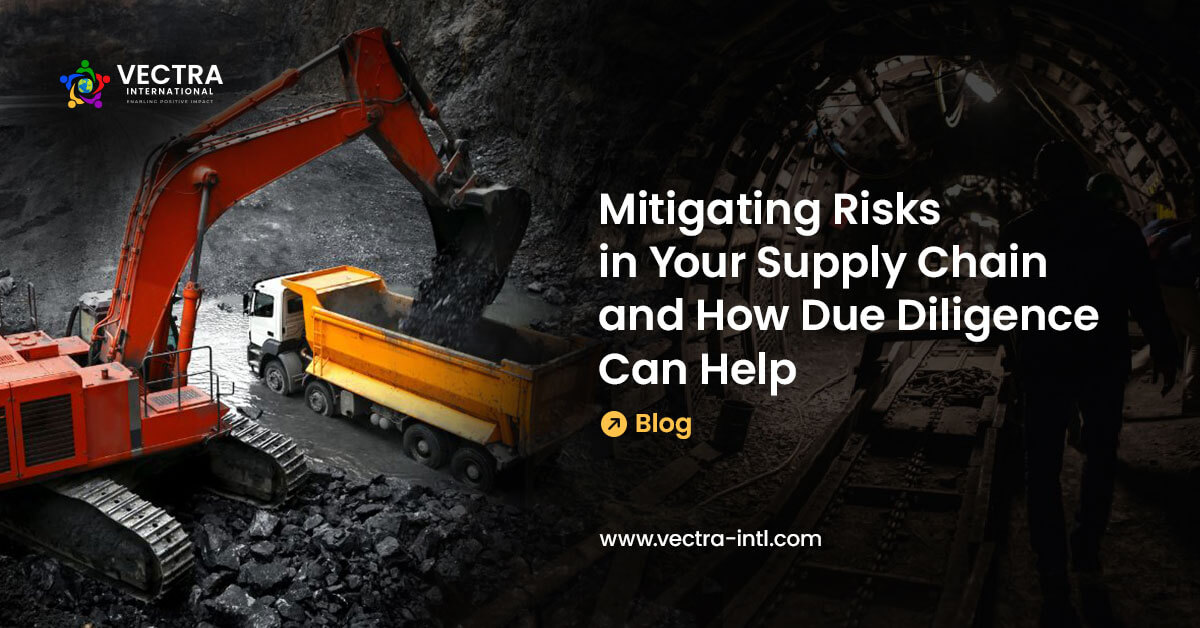
Supply chain due diligence is more critical than ever. It enables businesses to manage risks like human rights violations, environmental harm, geopolitical disruption, and cyber threats.
With regulations like the EU CSDDD and UFLPA gaining momentum, a structured, tech-enabled approach ensures compliance, strengthens resilience, safeguards brand value, and fosters supplier collaboration.
Introduction
Global supply chains are under unprecedented scrutiny. With increasing exposure to ESG-related risks, geopolitical turbulence, and regulatory demands, businesses must evolve beyond reactive approaches. Proactive due diligence is the key to transforming supply chain risk into competitive advantage.
By integrating structured assessments, digital tools, and real-time monitoring, organizations can build resilient and transparent supply networks that drive long-term value.
Key Supply Chain Risks and Mitigation Strategies
Modern supply chains face complex and interrelated risks that require customized mitigation strategies:
Human Rights & Environmental Risks
Forced labor, unsafe working conditions, and deforestation not only harm individuals and ecosystems but also pose serious legal and reputational risks.
- Mitigation: Conduct regular supplier audits, enforce codes of conduct, and deploy ESG questionnaires. According to the International Labour Organization (ILO), over 27.6 million people were in forced labor globally in 2021.
Operational & Geopolitical Disruptions
Supplier insolvencies, logistics challenges, trade wars, and sanctions can disrupt production and service delivery.
- Mitigation: Diversify supplier base, utilize AI-powered risk analytics to predict and prepare for geopolitical risks. A 2023 WEF report showed 79% of companies experienced supply chain disruptions due to geopolitical events.
Cybersecurity Vulnerabilities
Weak cyber infrastructure within supplier networks exposes companies to data breaches and ransomware attacks.
- Mitigation: Establish cybersecurity standards and enforce compliance. Use blockchain for traceable and secure transaction records.
Building a Risk-Focused Due Diligence Program
A five-stage due diligence framework aligns with OECD guidelines and leading industry standards:
- Supply Chain Mapping
- Map all tiers of suppliers to identify critical nodes and risk zones.
- Risk Assessment
- Score suppliers using ESG, compliance, operational, and financial metrics.
- Utilize tools and assessments to detect anomalies and early warning signs.
- Supplier Engagement
- Conduct self-assessments, facilitate compliance training, and maintain open communication.
- Audit & Verification
- Perform third-party audits, on-site inspections, and remote verifications for high-risk partners.
- Monitoring & Remediation
- Use real-time dashboards to track supplier performance.
- Implement corrective action plans (CAPs) and monitor follow-through.
Strategic Benefits of Due Diligence
Due diligence enables growth within a system. Hence, it must not be considered just a compliance tool anymore:
- Cost Reduction: Proactive risk management can reduce disruption-related losses and regulatory fines by up to 35%.
- Brand Equity: 68% of global consumers are willing to pay more for products from sustainable brands.
- Supplier Collaboration: Co-investing in ESG initiatives with suppliers builds resilience and long-term value.
How VECTRA International Delivers Impact
VECTRA’s supply chain due diligence solutions help companies move from reactive compliance to proactive risk management. Our approach includes:
- Human-Driven Risk Scoring: Evaluate 50+ supply chain metrics to prioritize high-impact suppliers.
- Audit Automation: Streamline data collection, issue tracking, and CAP documentation.
- Custom Reporting: Generate reports aligned with CSRD, GRI, SDG, and client-specific KPIs.
Our clients have seen up to a 20% improvement in supply chain transparency within the first year. By embedding due diligence into core operations, businesses can stay ahead of ESG expectations and regulatory obligations.
Learn more about mitigating supply chain risks with VECTRA. Contact us now.
Conclusion
Supply chain risks are complex and unavoidable, but their consequences are not. With a structured, tech-enabled due diligence program, companies can not only comply with regulatory standards but also enhance resilience, strengthen supplier relationships, and gain a competitive edge.
In an era defined by accountability and transparency, due diligence is no longer optional—it’s a strategic imperative.