Summary
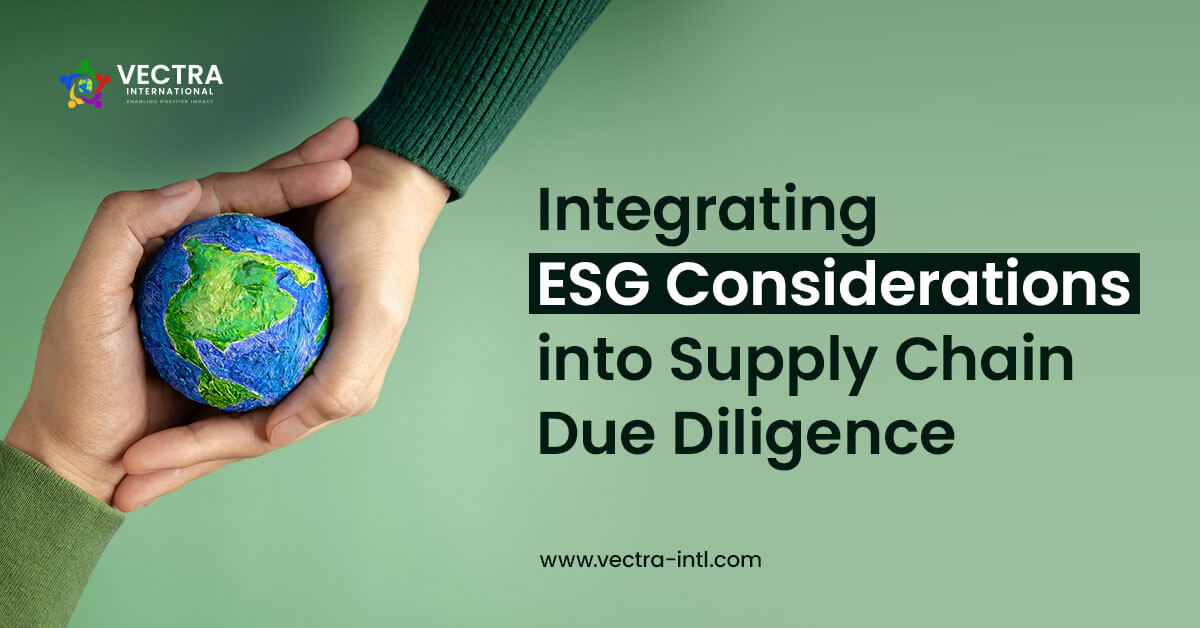
Integrating Environmental, Social, and Governance (ESG) considerations into supply chain due diligence is no longer optional – it’s a business necessity. Companies must assess sustainability, ethical labor practices, and corporate accountability to mitigate risks, ensure compliance, and enhance resilience.
Introduction
Modern supply chains are complex, involving multiple suppliers across various geographies and regulatory environments. As consumer expectations, legal requirements, and investor priorities shift towards sustainability and ethics, businesses must proactively embed ESG considerations into their supply chain due diligence processes.
ESG-aligned due diligence not only reduces risks but also drives long-term value creation. Companies that prioritize environmental responsibility, social equity, and transparent governance can enhance their brand reputation, comply with evolving regulations, and build resilient supply chains.
What Is ESG-Focused Supply Chain Due Diligence?
Supply chain due diligence involves assessing and mitigating risks related to procurement, production, and distribution. When ESG principles are incorporated, the focus shifts towards:
- Environmental Responsibility: Reducing carbon footprints, minimizing waste, and ensuring sustainable sourcing.
- Social Impact: Upholding fair labor practices, human rights, and worker safety.
- Governance Standards: Enhancing transparency, ethical business practices, and corporate accountability.
This ESG-centric approach ensures that businesses operate responsibly while future-proofing their supply chains.
Key Components of ESG Integration in Supply Chain Due Diligence
1. Environmental Considerations
To reduce environmental risks, companies must evaluate:
- Carbon Emissions: Tracking greenhouse gas emissions across the supply chain.
- Sustainable Sourcing: Procuring raw materials from ethical and renewable sources.
- Waste Management: Implementing circular economy principles such as recycling and repurposing.
- Energy Efficiency: Encouraging the use of renewable energy in transportation and manufacturing.
2. Social Considerations
A socially responsible supply chain prioritizes:
- Fair Labor Practices: Ensuring suppliers adhere to ethical wages, working conditions, and safety standards.
- Human Rights Protection: Eliminating forced labor and child labor from supply networks.
- Diversity and Inclusion: Partnering with minority-owned and diverse suppliers.
- Community Impact: Supporting local economies and minimizing social disruption.
3. Governance Considerations
Strong governance ensures ethical and transparent supply chain management. Businesses should focus on:
- Supplier Accountability: Conducting audits and assessments to ensure compliance.
- Regulatory Compliance: Adhering to global ESG standards such as the German Supply Chain Act, CSRD, and SEC climate disclosures.
- Data Transparency: Using blockchain and AI to enhance supply chain visibility.
- Anti-Corruption Measures: Preventing bribery, fraud, and unethical practices within the supply chain.
Benefits of ESG-Driven Supply Chain Due Diligence
- Risk Mitigation – Identifying and addressing environmental, social, and governance risks before they escalate.
- Regulatory Compliance – Meeting stringent global ESG laws to avoid penalties and legal issues.
- Brand Reputation Enhancement – Positioning your company as a leader in sustainability and ethical business.
- Operational Efficiency – Reducing waste, optimizing logistics, and improving supply chain resilience.
- Investor and Consumer Trust – Attracting sustainability-conscious investors and customers.
How Businesses Can Implement ESG Supply Chain Due Diligence with VECTRA
1. Conduct ESG Risk Assessments
- Map supply chain risks related to environmental impact, labor conditions, and governance standards.
- Use AI-driven data analytics to identify high-risk suppliers.
2. Establish Clear ESG Standards for Suppliers
- Implement strict supplier codes of conduct covering emissions, labor rights, and governance policies.
- Require ESG compliance certifications and transparency reports.
3. Leverage Technology for Transparency
- Use blockchain to track supplier transactions and verify ethical sourcing.
- Implement IoT and AI for real-time monitoring of ESG compliance.
4. Collaborate with ESG-Focused Partners
- Engage with third-party auditors and NGOs to validate supplier ESG performance.
- Work with sustainability consultants to refine ESG strategies.
5. Ensure Continuous Monitoring and Improvement
- Regularly audit supply chain partners to ensure ongoing compliance.
- Adapt strategies based on new ESG regulations and market trends.
Conclusion
Integrating ESG considerations into supply chain due diligence is a crucial step toward building sustainable, ethical, and resilient business operations. By proactively addressing environmental, social, and governance risks, companies can enhance their reputation, achieve compliance, and gain a competitive advantage.
To successfully navigate ESG challenges, businesses need expert guidance and innovative solutions. Partnering with ESG specialists ensures a seamless transition to responsible supply chain management.