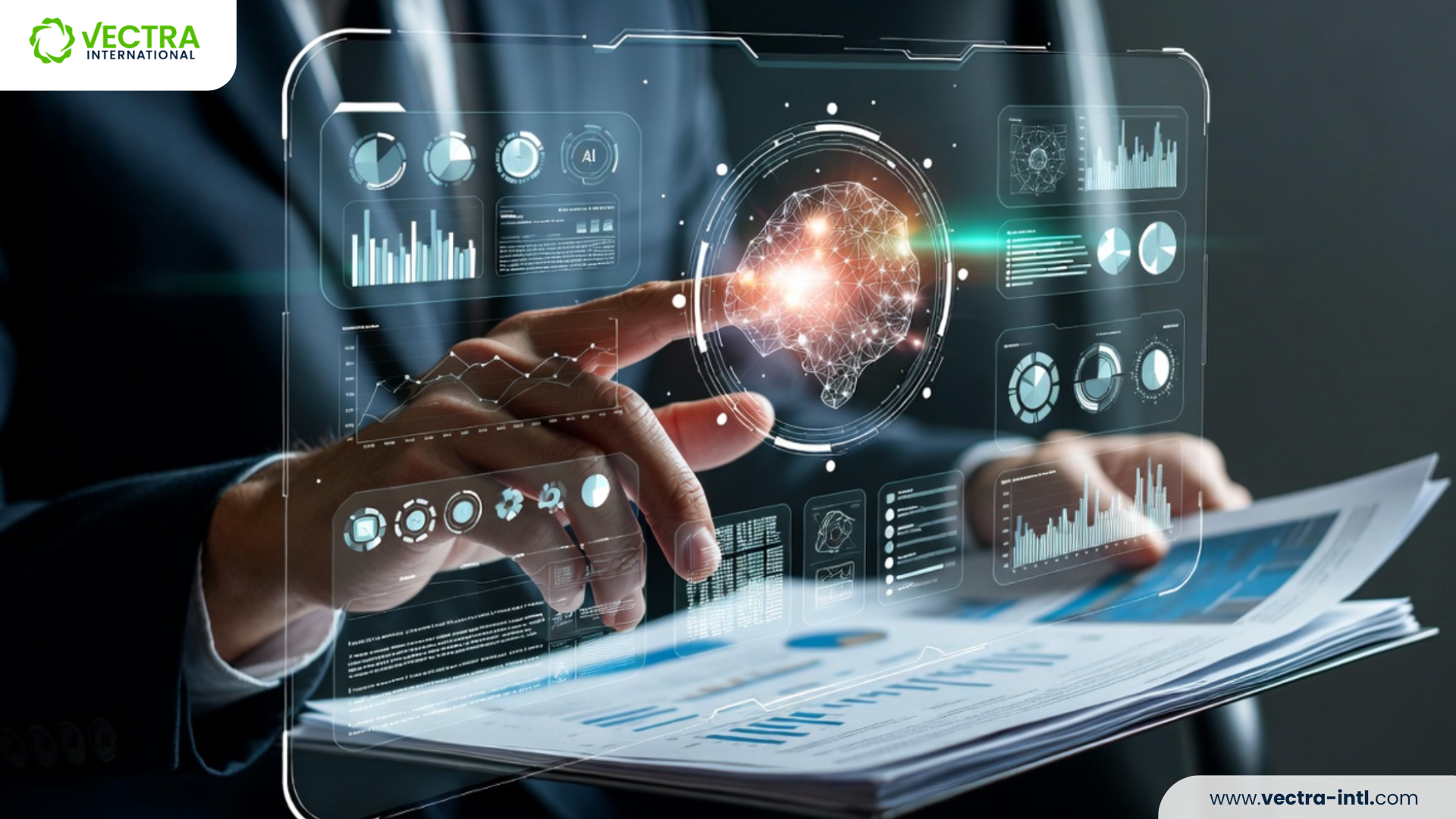
Artificial intelligence is transforming modern business at an unprecedented pace. From automating procurement processes and strengthening supply chain visibility to improving predictive risk management, AI is helping organizations make faster and more informed decisions.
However, as AI adoption accelerates, many organizations are discovering that technology alone cannot eliminate operational risk. Without strong governance, cybersecurity, and human oversight, AI-driven innovation can introduce new vulnerabilities instead of reducing them.
Recent industry trends show that while businesses are investing heavily in AI-powered tools, many are still struggling to establish the governance, workforce capabilities, and operational controls needed to support them. As a result, the gap between adopting AI and realizing its full business value continues to grow.
The organizations that will lead this next phase of digital transformation are not those that replace people with AI—they are those that combine AI’s speed and analytical capabilities with human expertise, accountability, and sound decision-making.
Why AI Alone Is Not Enough
Artificial intelligence excels at processing large volumes of data, identifying patterns, and automating repetitive tasks. These capabilities can significantly improve operational efficiency, reduce manual workloads, and help businesses respond more quickly to changing conditions.
Yet AI has its limitations.
It cannot fully understand organizational context, evaluate ethical considerations, or make nuanced decisions during unexpected situations. AI models are only as reliable as the data, governance, and processes that support them.
Without appropriate oversight, organizations may encounter challenges such as:
- Inaccurate or biased data influencing decisions
- Cybersecurity and data privacy vulnerabilities
- Third-party technology risks
- Regulatory and compliance challenges
- Reduced transparency in automated decision-making
Technology should empower better decisions—not replace the experience and judgment that people bring to complex business environments.
Closing the Innovation Gap
Many businesses invest in AI expecting immediate transformation. In reality, technology creates value only when it is supported by the right people, governance, and operational processes.
Organizations looking to maximize AI investments should focus on several key priorities.
Maintain Human Oversight
Critical operational, procurement, and compliance decisions should continue to involve experienced professionals who can validate AI-generated insights and make informed judgments.
Establish Strong AI Governance
Clear governance frameworks help define accountability, manage data quality, protect sensitive information, and ensure AI is used responsibly across the organization.
Invest in Workforce Readiness
Successful AI adoption depends on people. Employees need the skills, confidence, and training to work alongside intelligent technologies while understanding both their capabilities and limitations.
Continuously Monitor AI Performance
Business environments evolve rapidly. AI systems should be regularly reviewed and updated to ensure they remain accurate, reliable, and aligned with changing operational and regulatory requirements.
Organizations that treat AI as part of a broader transformation strategy are more likely to achieve sustainable results than those that view it simply as another technology investment.
Building Trust Through Human-Centric AI
Trust is becoming one of the most important factors in successful AI adoption.
Customers, regulators, employees, and business partners increasingly expect organizations to demonstrate that AI is being used responsibly, transparently, and securely.
A human-centric approach ensures that technology supports—not replaces—the expertise of procurement teams, operations leaders, and risk professionals.
This approach enables organizations to:
- Improve operational efficiency
- Strengthen business decision-making
- Enhance cybersecurity awareness
- Reduce operational and compliance risks
- Increase transparency and accountability
- Build greater confidence among customers and stakeholders
When AI and human expertise work together, businesses are better equipped to innovate while maintaining resilience and trust.
How VECTRA International Helps
At VECTRA International, we believe successful digital transformation requires more than implementing new technologies.
Our AI-enabled, human-led approach helps organizations integrate intelligent solutions while maintaining strong governance, operational resilience, and business accountability.
Our ecosystem approach combines:
- AI-enabled operational intelligence
- Supply chain risk management
- Cybersecurity and governance support
- Responsible technology adoption
- Change management and capability building
- Continuous monitoring and resilience planning
Rather than focusing solely on technology implementation, we help organizations build secure, scalable, and resilient operations where AI enhances human expertise and supports long-term business performance.
Final Thoughts
Artificial intelligence is reshaping how businesses operate, but innovation should never come at the expense of governance, security, or human judgment.
Organizations that balance AI capabilities with strong leadership, effective governance, and continuous workforce development will be better positioned to manage emerging risks while unlocking sustainable business value.
The future of operational excellence is not about choosing between people and technology. It is about creating a human-centric approach where AI enhances decision-making, strengthens resilience, and empowers organizations to innovate with confidence.
Frequently Asked Questions
What is human-centric AI?
Human-centric AI combines artificial intelligence with human oversight to ensure technology supports responsible, transparent, and informed decision-making.
Why is governance important when adopting AI?
Governance helps organizations manage cybersecurity, compliance, data quality, and accountability while reducing operational risks associated with AI.
Can AI replace human decision-making?
AI can automate tasks and generate insights, but human expertise remains essential for strategic decisions, regulatory compliance, ethical considerations, and managing complex business scenarios.
How can businesses adopt AI responsibly?
Organizations should establish governance frameworks, invest in employee training, monitor AI performance regularly, and ensure human oversight remains part of critical operational processes.
Why is a human-centric approach important for long-term AI success?
A human-centric approach helps organizations balance innovation with accountability. By combining AI capabilities with human expertise, businesses can improve decision-making, build stakeholder trust, reduce operational risk, and achieve more sustainable outcomes.
View Related Posts
How Can AI Agents Transition Your Risk Monitoring from “Periodic” to “Continuous” This Year?
Agentic AI in Logistics: The New Frontier of Governance Risk
VECTRA International is a trusted Business Resilience & Operational Capability Building Partner. Through our ecosystem of integrated solutions, we help organizations transform operational complexity into resilient performance, measurable business impact, and sustainable growth.
Chaussée de Wavre 1517B, 1160 Brussels, Belgium.
A Note on Our Visuals: At VECTRA, we combine human expertise with advanced technology. Some of the supportive imagery in this article was generated using artificial intelligence tools like Google Gemini. We ensure all conceptual AI assets align with our brand standards and accurately reflect our data.